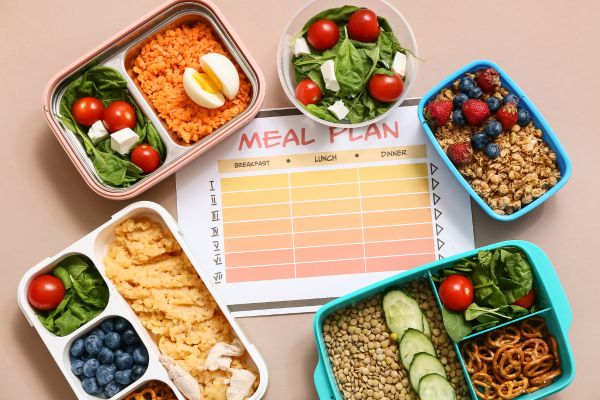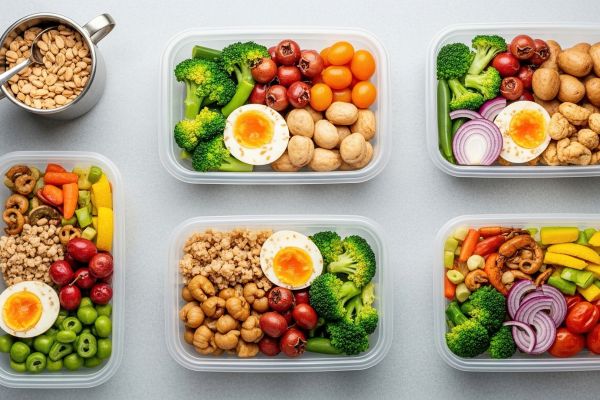
Meal prep for weight loss sounds, at first glance, like one of those tidy lifestyle habits that works beautifully on Instagram and falls apart in real life. Perfect containers lined up, color-coded meals, a fridge that looks like a magazine spread. Reality, of course, is messier. Schedules change. Motivation dips. Hunger shows up at inconvenient times.
Yet despite its polished reputation, meal prep remains one of the most grounded, practical tools for sustainable weight loss. Not because it’s rigid or restrictive, but because it quietly removes friction from everyday decisions. When done thoughtfully, it doesn’t feel like a diet trick. It feels like self-respect with a lid snapped on top.
Understanding why meal prep actually supports weight loss helps strip away the hype and replace it with something far more useful: consistency.
Why Meal Prep Supports Weight Loss Without Feeling Restrictive
Weight loss rarely fails because of a lack of knowledge. Most people know what balanced meals look like. The problem shows up between meetings, errands, late nights, and low-energy moments when decision-making is at its weakest.
Meal prep for weight loss works because it shifts effort away from those moments. Instead of asking, “What should I eat right now?” the question has already been answered. That alone reduces impulsive choices driven by hunger, stress, or convenience.
Prepared meals also bring portion awareness into focus without counting every calorie. When meals are planned in advance, it’s easier to build plates that include enough protein, fiber, and volume to keep hunger steady. You’re less likely to under-eat early in the day and overcompensate later, a pattern that quietly sabotages progress for many people.
Perhaps most importantly, meal prep creates structure without demanding perfection. It allows flexibility while still offering a safety net when life gets unpredictable.
Letting Go of the All-or-Nothing Mindset Around Meal Prep
One of the biggest misunderstandings about meal prep is the idea that it must be done for every meal, every day, in matching containers. This mindset turns a helpful habit into a burden.
In reality, meal prep for weight loss works best when it’s selective. Prepping lunches for workdays. Preparing a few dinner components ahead of time. Making breakfast effortless for busy mornings. These small choices reduce mental load and free up energy for consistency elsewhere.
Weight loss doesn’t respond to intensity nearly as well as it responds to repetition. A few well-prepped meals each week often make a bigger difference than a flawless plan that collapses after ten days.
Building Meals That Actually Support Fat Loss
The goal of meal prep isn’t to eat less food. It’s to eat food that satisfies you enough to prevent constant snacking and late-night grazing. Meals that support weight loss tend to share a few quiet characteristics.
They center around protein, not as a trend but as a practical anchor. Protein slows digestion, supports muscle retention, and helps meals feel complete rather than snack-like.
They include fiber-rich foods that add volume without excess calories. Vegetables, legumes, whole grains, and fruits create fullness that lasts beyond the first hour after eating.
They contain enough fat to add flavor and satiety without overwhelming the plate. Completely fat-free meals often backfire, leaving you hungry and searching for something else soon after.
When meals feel balanced rather than “light,” adherence improves naturally. That’s where real progress lives.
The Psychology of Prepared Food and Decision Fatigue
Decision fatigue is rarely discussed in weight loss conversations, yet it plays a major role. Every food choice, no matter how small, requires mental energy. Over the course of a day, that energy gets depleted.
Meal prep for weight loss reduces the number of decisions you need to make. The fewer food-related choices you face, the easier it becomes to stick to intentions you set earlier in the week when motivation was higher.
This doesn’t mean you lose autonomy or enjoyment. It means your default options align with your goals. When you want something different, you can choose it intentionally rather than reactively.
Over time, this shift changes your relationship with food from constant negotiation to quiet confidence.
Making Meal Prep Work With a Real Schedule
One reason people abandon meal prep is that they try to force it into unrealistic time blocks. Spending half a Sunday cooking every meal for the week may work for some, but it isn’t a requirement.
Meal prep can be spread out. Cooking extra at dinner and saving leftovers. Washing and chopping vegetables in short bursts. Preparing grains or proteins that can be mixed and matched later.
The most sustainable systems are the least dramatic ones. They blend into routines rather than demanding special effort. Weight loss thrives when habits feel almost boring in their reliability.
Consistency, not creativity, does the heavy lifting.
Flexibility Without Losing Momentum
A common fear around meal prep for weight loss is that it removes spontaneity. In practice, it often does the opposite. When your basic needs are covered, flexibility becomes easier.
If plans change and you eat out one night, the prepared meal waits for another day. If hunger fluctuates, portions can be adjusted without derailing the entire plan. Prepared food isn’t a contract. It’s a backup.
This mindset removes guilt from deviations. Weight loss becomes less about staying “on track” and more about returning to a rhythm that already exists.
How Meal Prep Supports Long-Term Behavior Change
Short-term diets focus on outcomes. Meal prep focuses on systems. This distinction matters.
Weight loss that lasts usually comes from habits that continue after the goal is reached. Meal prep teaches skills that extend beyond fat loss: planning, portion awareness, balanced eating, and time management.
Over time, people often notice they no longer need to prep as much. Choices become more intuitive. Hunger cues stabilize. The structure once needed becomes internalized.
That’s when weight maintenance feels less like a constant effort and more like a natural extension of daily life.
Navigating Social Life and Special Occasions
Meal prep for weight loss doesn’t mean avoiding social meals or celebrations. It means those moments stop feeling like disruptions.
When most meals are predictable and nourishing, occasional indulgences lose their emotional weight. They become part of life rather than exceptions that require compensation.
This balance matters. Weight loss rooted in restriction rarely survives real-world conditions. Meal prep creates room for enjoyment without sacrificing progress.
When Meal Prep Stops Working and What to Adjust
If meal prep starts to feel monotonous or draining, it’s usually a sign that the system needs adjustment, not abandonment.
Sometimes portions need to increase to match activity levels. Sometimes flavors need refreshing. Sometimes the schedule has shifted and the prep method needs to shift with it.
Listening to these signals keeps the habit alive. Weight loss isn’t static, and neither should the strategies supporting it be.
A Natural Conclusion on Meal Prep for Weight Loss
Meal prep for weight loss isn’t about control or discipline in the harsh sense. It’s about creating an environment that supports better choices before hunger and stress take the wheel. When food is ready, balanced, and familiar, weight loss becomes less of a daily struggle and more of a background process.
The most effective meal prep doesn’t look impressive. It looks practical. It adapts. It leaves room for life to happen. And in doing so, it turns weight loss from a temporary project into a sustainable way of living.
When the noise quiets and the system fits your life, progress follows—often more easily than expected.