Vitamin C has long been associated with immune strength, energy, and overall wellness, but can it actually help with weight loss? It’s a question that comes up frequently, especially when people begin looking for simple ways to boost their metabolism or support their fitness goals.
While vitamin C doesn’t burn fat directly and won’t replace a balanced diet or a consistent exercise routine, it does support several underlying processes that make sticking to a healthy lifestyle easier, particularly when it comes to energy, immunity, and recovery. And those factors absolutely affect your long-term ability to maintain an active routine.
Let’s break down what vitamin C can and can’t do when it comes to weight management, and how to make sure you’re getting enough.
What Vitamin C Does in the Body
A Key Player in Immune Support
Vitamin C is one of the most well-researched nutrients for immune health. It supports the production and function of white blood cells, protects immune tissues from damage, and helps the body respond efficiently to stressors.
Why does that matter for weight loss?
Because you can’t work out consistently if you’re constantly getting sick, rundown, or struggling with lingering fatigue. Many people find their fitness routine derailed not by lack of motivation, but by low energy or recurring colds that interrupt progress.
Vitamin C helps keep your immune system resilient, which means you can continue training and eating well without frequent setbacks.
Supports Collagen Formation and Tissue Repair
Collagen isn’t just about skin health. It’s essential for maintaining strong tendons, ligaments, cartilage, and connective tissues. Vitamin C is required for collagen synthesis; without it, your body can’t repair muscle microtears efficiently.
Better recovery equals more consistent training, and more consistent training leads to better long-term results.
Enhances Iron Absorption

Iron deficiency is surprisingly common, especially among women. Low iron often results in fatigue, reduced stamina, and a lower ability to perform during workouts.
Vitamin C enhances the absorption of non-heme iron, the type found in plant foods such as spinach, beans, and whole grains. Pairing vitamin C–rich foods with iron sources helps maintain optimal energy levels.
More energy means better workouts, and better workouts support better metabolic function, calorie burn, and muscle development.
Does Vitamin C Directly Burn Fat?
This is where the answer becomes clear: No, vitamin C does not directly cause fat loss.
There is no evidence showing that vitamin C boosts metabolism in a way that results in measurable fat burning. It does not act as a fat burner, appetite suppressant, or metabolic stimulant.
However, deficiency in vitamin C can make it harder to lose weight. Research shows that people low in vitamin C may struggle more with energy production and exercise performance. When you’re tired or recovering slowly, workouts become fewer and less effective. Over time, that can impact weight management.
So the relationship is indirect: vitamin C won’t make you lose weight, but low vitamin C can make weight loss harder.
Signs You May Not Be Getting Enough Vitamin C
Even if you eat relatively well, it’s possible to fall short, especially if you don’t regularly consume fresh fruits and vegetables. Some common signs of inadequate vitamin C include:
- Fatigue or low energy
- Weak immunity or frequent colds
- Slow wound healing
- Brittle hair or nails
- Dry or rough skin
- Reduced ability to exercise intensely
Best Food Sources of Vitamin C

Adding more vitamin C–rich foods to your diet is straightforward. Some of the best options include:
- Citrus fruits (oranges, grapefruit, lemons, limes)
- Strawberries and raspberries
- Kiwi
- Bell peppers
- Tomatoes and tomato juice
- Broccoli and Brussels sprouts
- Kale and spinach
Eating a variety of fruits and vegetables daily will typically give you the vitamin C you need for energy and immune support.
When a Vitamin C Supplement Makes Sense
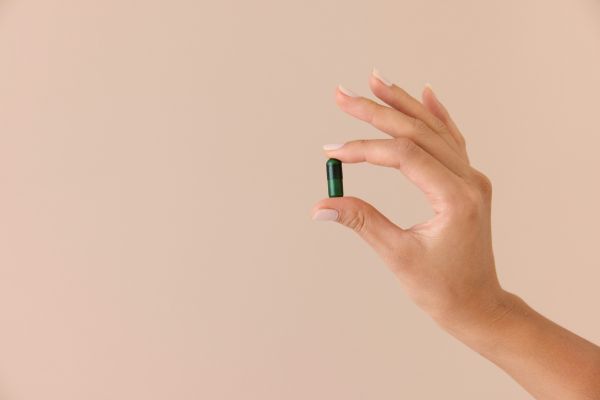
Even with the best intentions, daily access to fresh produce isn’t always realistic. Travel, busy schedules, stress, or seasonal availability can make it difficult to consistently meet your vitamin C needs through food alone.
In these situations, a high-quality supplement can help fill the gap.
A clean, reliable option like this daily vitamin C supplement provides vitamin C without unnecessary additives or fillers. It’s an easy way to maintain daily intake, especially if you:
- Don’t eat many fruits and vegetables
- Experience frequent fatigue
- Are working on building a consistent workout routine
- Want to support immunity during busy or high-stress periods
Taking a supplement won’t trigger weight loss, but it can help support the energy, immunity, and recovery you need to stay consistent in the gym where real progress happens.
How Much Vitamin C Do You Really Need?
Most adults need around 75–90 mg of vitamin C per day, though needs may increase if you’re under physical stress, recovering from illness, or training intensely.
This amount is easy to reach through a balanced diet, but many people benefit from a small supplemental dose for consistency.
Does Vitamin C Help You Lose Weight?
Not directly. But indirectly? Vitamin C supports the systems that make weight loss possible: your energy, your immunity, your ability to stay active, and your overall recovery.
If you’re aiming to lose weight, the most effective approach remains the same:
- A nutrient-dense diet
- Strength training
- Adequate protein
- Good sleep
- Daily movement
- Stress management
Vitamin C simply provides an important foundation that helps you stay committed to those habits.