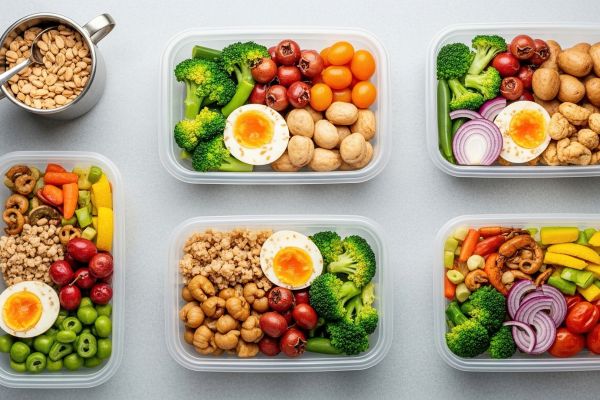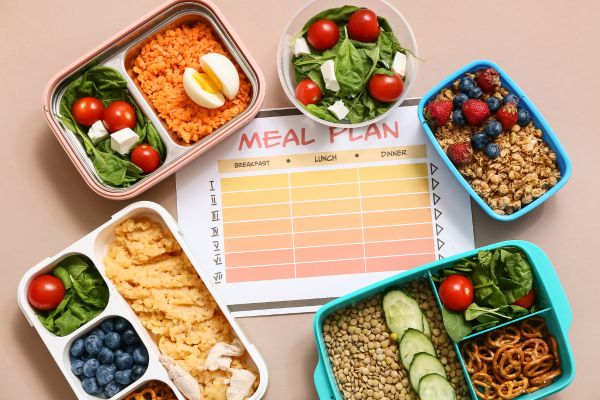
There’s something oddly comforting about knowing what you’re going to eat before hunger strikes. No last-minute scrambling. No staring into the fridge hoping a balanced meal magically appears. Just a plan — simple, realistic, and built around your goals.
That’s where weekly meal plans for weight loss make a real difference. Not as a rigid diet script, but as a flexible framework that removes guesswork and helps you make consistent, smarter choices. Because weight loss, for most people, isn’t about one perfect day of eating. It’s about repeating good decisions often enough that they start to feel normal.
Let’s talk about how weekly planning actually works, why it’s effective, and how to build one that fits your life instead of fighting it.
Why Planning a Week at a Time Actually Works
Daily willpower is overrated. Most of us make dozens of food decisions every day, and decision fatigue is real. When you haven’t planned, you default to convenience — which often means higher calories, lower nutrients, and oversized portions.
Weekly planning changes the dynamic. It shifts your focus from reactive eating to intentional eating.
When you map out meals ahead of time, you naturally:
- Balance calories more evenly across days
- Include more whole foods
- Reduce impulse snacking
- Control portion sizes more easily
- Save money and reduce food waste
It’s not glamorous. But it works.
And here’s the part people don’t always realize: structure reduces stress. When you know dinner is already decided, your brain relaxes. That mental space matters more than we think.
What Makes Weekly Meal Plans for Weight Loss Effective
A good meal plan isn’t about restriction. It’s about composition and consistency.
At its core, weight loss comes down to a sustainable calorie deficit. But sustainability depends on how satisfying and balanced your meals are. If your plan leaves you hungry, bored, or constantly craving sugar, you won’t stick with it.
Effective weekly meal plans for weight loss usually include:
A steady balance of protein
Protein helps preserve muscle mass during weight loss and keeps you full longer. Lean meats, eggs, Greek yogurt, tofu, legumes — these form the backbone of most successful plans.
Plenty of fiber
Vegetables, fruits, whole grains, and beans increase satiety without adding many calories. Fiber also stabilizes blood sugar, which helps reduce energy crashes.
Healthy fats in moderate amounts
Avocado, olive oil, nuts, and seeds add flavor and help with fullness. The key is mindful portions.
Smart carbohydrates
Carbs aren’t the enemy. Refined carbs in excess can be. Whole grains, starchy vegetables, and fruit provide energy and nutrients without the spike-and-crash cycle of heavily processed foods.
Consistency over perfection
You don’t need every day to look identical. You just need a general pattern that supports your calorie goals.
Building a Realistic Weekly Structure
A weekly plan doesn’t have to be complicated. In fact, simpler is better.
Many people find it helpful to repeat core ingredients across the week. For example, grilling chicken once and using it in different meals — salads, wraps, grain bowls — reduces cooking time and mental load.
A balanced week might include:
Breakfast options that rotate between two or three choices
Lunches that are easy to prep ahead
Dinners that use overlapping ingredients
Planned snacks to prevent overeating later
Notice the word planned. Spontaneous snacking is where many weight-loss efforts quietly unravel. Including intentional snacks — like fruit with nut butter or yogurt with berries — keeps hunger predictable and manageable.
The Role of Breakfast in Weekly Planning
Some people swear by breakfast. Others skip it comfortably. The key isn’t whether you eat in the morning — it’s whether your approach supports your energy and appetite control.
If breakfast helps you avoid overeating later, include it. High-protein options tend to work best for weight loss. Think eggs with vegetables, oatmeal with protein powder mixed in, or cottage cheese with fruit.
If you prefer a later first meal, that can work too — as long as you’re not compensating with oversized portions at night.
Weekly planning allows you to observe patterns. After a few weeks, you’ll notice what genuinely works for your body instead of copying someone else’s routine.
Lunches That Prevent Afternoon Crashes
Midday energy dips are often tied to carb-heavy, low-protein lunches. A sandwich on white bread followed by a sugary drink might taste good, but it sets you up for cravings later.
Weekly meal plans for weight loss often emphasize balanced lunches: lean protein, fiber-rich carbs, and vegetables. Something like grilled chicken, quinoa, and roasted vegetables; or a large salad topped with beans and salmon.
When lunches are prepared in advance, you’re less likely to grab something random and calorie-dense.
There’s also a psychological benefit. Bringing your own meal feels intentional. That sense of control adds up.
Dinners That Feel Satisfying, Not Depriving
Dinner is usually the most social and emotionally loaded meal of the day. That’s why extreme restriction backfires here.
Instead of cutting everything you enjoy, focus on portion awareness and ingredient swaps.
You can still have pasta — just pair it with a lean protein and plenty of vegetables. You can still enjoy tacos — just balance fillings and skip excess fried additions.
The goal isn’t to eat “diet food.” It’s to eat balanced meals that leave you comfortably full.
When dinners are part of your weekly plan, you’re less tempted by last-minute takeout. And even if you choose takeout occasionally, you’re making a conscious decision rather than acting out of exhaustion.
Snacks That Support, Not Sabotage
Snacks are often misunderstood. They’re not inherently bad. In fact, strategic snacking can stabilize hunger and prevent binge-style eating later.
The difference lies in composition.
A planned snack might combine protein and fiber — like apple slices with peanut butter, or Greek yogurt with seeds. An unplanned snack might be handful after handful of chips straight from the bag.
Weekly planning helps you portion snacks ahead of time. It also keeps them visible and accessible so you’re not reaching for whatever’s easiest.
Grocery Shopping With Intention
A meal plan is only as good as your grocery list.
When you shop with a defined weekly plan, you’re less influenced by marketing, impulse buys, and end-of-aisle temptations. You buy ingredients with purpose.
Many people notice that planning reduces both overspending and food waste. You’re not buying random items “just in case.” You’re buying what you’ll actually cook.
There’s something empowering about that.
Flexibility Is the Secret Ingredient
Here’s where many weight-loss plans fail: rigidity.
Life happens. Invitations come up. Workdays run long. You forget to defrost the chicken. A sustainable weekly plan includes room for adjustment.
Maybe one dinner shifts to the next day. Maybe you eat out once and balance it with lighter meals earlier in the week. Flexibility doesn’t erase progress.
In fact, flexibility protects it.
Weekly meal plans for weight loss should feel like a supportive structure, not a cage. If you dread the plan, you won’t follow it.
Mindset Matters More Than the Menu
You can design the most nutritionally perfect weekly plan and still struggle if your mindset is harsh or all-or-nothing.
Weight loss is rarely linear. Some weeks feel smooth. Others don’t. The purpose of planning isn’t to control every calorie — it’s to reduce friction and make healthier choices easier.
When you treat the plan as guidance instead of judgment, you’re more likely to stay consistent.
Consistency, not intensity, changes your body.
Tracking Progress Without Obsession
Weekly meal planning pairs well with gentle tracking. That might mean monitoring portion sizes, journaling how you feel after meals, or checking in with your weight periodically.
The key word is gentle.
If tracking becomes stressful, simplify. Focus on behaviors instead: Did you follow your plan most days? Did you eat balanced meals? Did you feel satisfied rather than deprived?
Over time, these patterns compound.
Turning Weekly Planning Into a Habit
The first week of planning might feel awkward. You’ll second-guess portions. You might overestimate how much variety you need. That’s normal.
After a few weeks, though, patterns form. You develop go-to breakfasts. Reliable dinners. Favorite snacks that keep you satisfied.
Eventually, the plan almost writes itself.
And that’s when weight loss becomes less about constant effort and more about routine.
A Sustainable Path Forward
At its heart, weight loss isn’t about perfection or punishment. It’s about creating systems that support your goals without draining your energy.
Weekly meal plans for weight loss offer exactly that: structure without rigidity, clarity without obsession. They reduce impulsive decisions, stabilize hunger, and make balanced eating feel manageable instead of overwhelming.
You don’t need elaborate recipes or extreme restrictions. You need consistency, awareness, and a plan that fits your real life.
When you look at your week and see meals already decided — nourishing, satisfying, intentional — something shifts. You’re no longer reacting to hunger. You’re guiding it.
And that quiet shift, repeated week after week, is often what leads to lasting change.