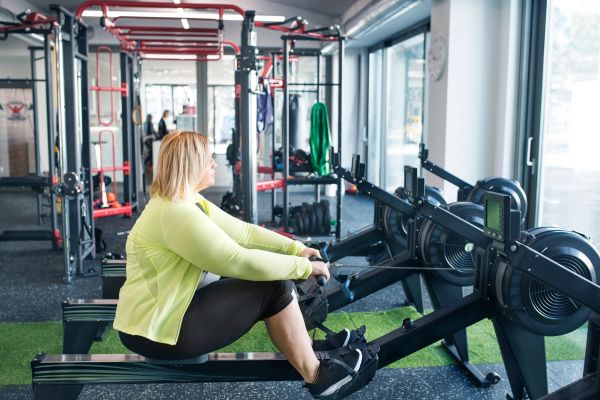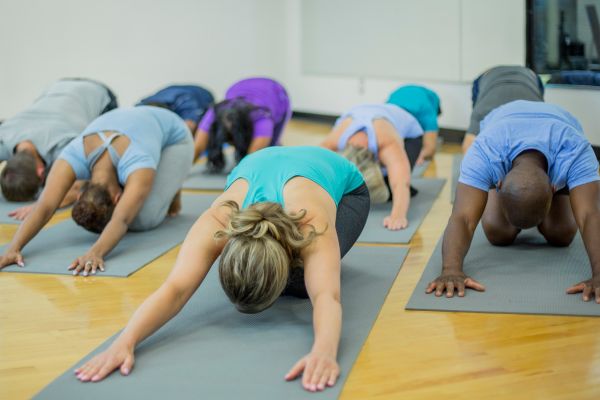
Starting a gym routine can feel a little overwhelming, especially when the main goal is weight loss. The machines look complicated, everyone seems to know what they are doing, and there is often too much advice coming from every direction. One person says cardio is everything. Another says lifting weights is the real secret. Someone else talks about diet, steps, supplements, or intense workout plans that sound almost impossible for a beginner.
The truth is much simpler. Gym workouts for beginners weight loss do not need to be extreme. They need to be consistent, balanced, and realistic enough that you can keep doing them week after week. A good beginner routine should help your body burn calories, build strength, improve stamina, and make exercise feel like a normal part of life rather than a punishment.
Weight loss does not happen from one perfect workout. It comes from small repeated efforts, better habits, and learning how your body responds to movement.
Understanding Weight Loss Before You Start
Before stepping onto a treadmill or picking up a dumbbell, it helps to understand what exercise actually does for weight loss. Your body loses weight when it uses more energy than it takes in over time. Gym workouts help by increasing calorie burn, improving muscle tone, and supporting a healthier metabolism.
However, beginners often make the mistake of thinking they must exhaust themselves every session. That usually leads to soreness, frustration, or quitting after a few weeks. A smarter approach is to start at a level your body can handle and then slowly increase the challenge.
Exercise should leave you feeling worked, not destroyed. Some tiredness is normal. Severe pain, dizziness, or feeling completely drained is not the goal. For beginners, the best workout is the one that can be repeated regularly.
Why the Gym Can Be Helpful for Beginners
The gym gives beginners access to a variety of equipment in one place. You can walk indoors, cycle, use resistance machines, lift light weights, stretch, and slowly build confidence. This variety matters because weight loss becomes easier when workouts do not feel boring.
Another benefit is structure. When you enter the gym with a simple plan, it becomes easier to stay focused. You are not guessing what to do next. You can divide your session into warm-up, strength training, cardio, and cool-down. That basic structure works well for most beginners.
The gym also allows you to track progress. Maybe you walk five minutes longer than last week. Maybe you lift slightly heavier dumbbells. Maybe your breathing improves during cycling. These small changes are signs that your fitness is improving, even before the scale shows a big difference.
Start With a Gentle Warm-Up
A warm-up prepares your body for exercise. It raises your heart rate gradually, loosens your joints, and helps reduce the risk of injury. For beginners, five to ten minutes is usually enough.
A simple warm-up can include slow walking on a treadmill, light cycling, or using an elliptical machine at an easy pace. The idea is not to burn yourself out early. You should feel warmer, more awake, and ready to move.
Skipping the warm-up may save a few minutes, but it often makes the workout feel harder. Cold muscles are less comfortable to train, and your body may take longer to settle into the session. A calm warm-up creates a better rhythm for the whole workout.
Cardio Workouts That Support Fat Loss
Cardio is often the first thing beginners think about when they want to lose weight, and for good reason. It helps burn calories, improves heart health, and builds stamina. But cardio does not have to mean running hard for thirty minutes.
Walking on the treadmill is one of the best starting points. A beginner can start with a comfortable pace and add a slight incline when ready. Incline walking is especially useful because it increases effort without requiring running. It is easier on the joints and still feels effective.
The stationary bike is another good choice. It is gentle on the knees and allows you to control the intensity. Beginners who feel uncomfortable walking for long periods may find cycling easier at first.
The elliptical machine can also work well because it combines upper and lower body movement. It may feel awkward in the beginning, but once you find your rhythm, it becomes a smooth, low-impact cardio option.
For weight loss, beginners can begin with fifteen to twenty minutes of cardio after warming up. As fitness improves, the session can gradually increase to twenty-five or thirty minutes. There is no need to rush. Progress matters more than intensity in the early stage.
Strength Training Is Just as Important
Many beginners focus only on cardio, but strength training is a major part of effective fat loss. Building muscle helps shape the body, improves posture, and supports long-term calorie burn. You do not need heavy weights to get started.
Resistance machines are useful for beginners because they guide your movement and feel more controlled than free weights. Machines such as the leg press, chest press, seated row, shoulder press, and lat pulldown can help train the main muscle groups safely.
A beginner strength session should feel manageable. Choose a light weight that allows you to complete the movement with control. The last few repetitions should feel challenging, but not impossible. Good form is more important than lifting heavy.
Strength training also helps prevent the “skinny but weak” feeling that some people experience when they lose weight through cardio alone. It gives the body a firmer, healthier look and helps daily tasks feel easier.
A Simple Beginner Gym Routine for Weight Loss
A practical beginner workout can be built around full-body training. This means you train several muscle groups in one session instead of focusing on only one area. Full-body workouts are efficient and easier to manage when you are new.
A session might begin with five to ten minutes of light cardio as a warm-up. After that, you can move into basic strength exercises such as leg press, chest press, seated row, dumbbell squats, and light shoulder presses. Then finish with fifteen to twenty minutes of steady cardio.
This kind of routine works because it combines muscle-building and calorie-burning in the same visit. It also keeps the workout simple. Beginners do not need complicated splits or advanced training methods. At the start, consistency is the real foundation.
Training three days per week is a good target for many beginners. It gives the body time to recover while still creating a regular habit. On non-gym days, light walking or stretching can help keep the body active without adding too much pressure.
Learning Proper Form Early
Good form matters more than speed, weight, or the number of exercises you do. Poor form can cause discomfort and make exercises less effective. Beginners should move slowly, stay controlled, and avoid rushing through repetitions.
On strength machines, adjust the seat and handles before starting. Your joints should feel aligned, not strained. If an exercise feels strange in a painful way, stop and check your position. There is no shame in using light weights while learning.
For free-weight exercises, start with simple movements. Dumbbell deadlifts, goblet squats, and light presses can be useful, but only when performed carefully. Watching your movement in a mirror can help, but do not become overly self-conscious. Everyone starts somewhere.
Avoid Doing Too Much Too Soon
Motivation is high in the beginning, and that can be both helpful and risky. Some beginners try to work out every day, stay on machines too long, or lift weights their body is not ready for. This can lead to soreness, fatigue, and loss of interest.
A better method is to build gradually. Add a little more time, a little more resistance, or a few more repetitions as your body adapts. Weight loss is not a race. The routine you can continue for months will always beat the extreme plan you abandon after one week.
Rest days are part of progress. Muscles need time to repair. Your energy levels, sleep, and mood also matter. When your routine respects recovery, you are more likely to stay consistent.
The Role of Food and Daily Habits
Gym workouts help a lot, but food habits still play a major role in weight loss. A beginner may exercise regularly and still struggle to lose weight if meals are very high in calories. This does not mean you need a strict or miserable diet. It simply means your eating habits should support your training.
Balanced meals with protein, vegetables, whole grains, fruits, and healthy fats can make a big difference. Protein is especially helpful because it supports muscle recovery and keeps you full for longer. Drinking enough water also matters, especially when you begin sweating more during workouts.
Daily movement outside the gym counts too. Walking more, taking stairs, standing up often, and staying generally active can support weight loss without feeling like formal exercise. The gym is important, but it is only one part of the bigger picture.
Staying Motivated When Progress Feels Slow
Weight loss progress is not always steady. Some weeks the scale changes. Other weeks it does not. This can be frustrating, but it does not always mean your efforts are failing. Your body may be gaining muscle, holding water, or adjusting to the new routine.
Look for other signs of progress. Clothes may fit better. You may feel less tired climbing stairs. Your workouts may feel easier. You may sleep better or feel more confident. These changes are valuable.
Motivation comes and goes, so discipline and routine matter more. Choose gym days that fit your schedule. Keep your workouts simple enough that you do not dread them. The more normal exercise feels, the easier it becomes to continue.
Common Beginner Mistakes to Avoid
One common mistake is copying advanced workouts from people who have been training for years. Their routines may not match your current fitness level. Another mistake is changing plans too often. If you switch workouts every few days, it becomes hard to track progress.
Some beginners also depend too much on the scale. Weight is one measurement, but it is not the only one. Strength, energy, endurance, and body measurements can all tell a more complete story.
Another issue is ignoring discomfort. Normal muscle soreness is expected, especially in the first few weeks. Sharp pain, joint pain, or dizziness should not be ignored. Exercise should challenge the body, not harm it.
Building a Routine You Can Keep
The best gym workouts for beginners weight loss are not the flashiest ones. They are the workouts that fit your life, match your current ability, and help you improve step by step. A mix of cardio, strength training, warm-ups, and recovery creates a strong foundation.
You do not need to know everything on day one. Start with simple machines. Walk at a comfortable pace. Lift light weights. Learn your form. Keep showing up. Over time, the gym becomes less intimidating and more familiar.
Weight loss is not only about burning calories. It is about building a healthier relationship with movement. When workouts become part of your routine, the results feel more natural and sustainable.
Conclusion
Beginning a gym routine for weight loss can feel challenging at first, but it does not need to be complicated. A balanced plan with gentle cardio, basic strength training, proper warm-ups, and steady progression can help beginners build confidence while supporting fat loss. The key is patience. You do not have to train like an athlete to see results. You just need to start where you are, stay consistent, and give your body time to respond.
Gym workouts for beginners weight loss work best when they feel realistic, safe, and repeatable. Small improvements add up. Each session teaches you something about your strength, stamina, and discipline. With time, the gym becomes less about forcing yourself to exercise and more about choosing a healthier version of your everyday life.