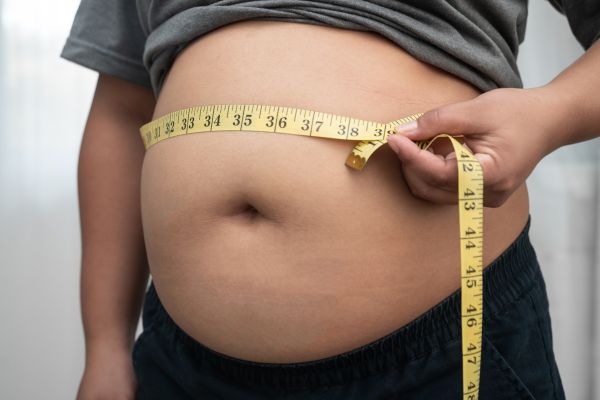
Belly fat has a way of becoming the most talked-about area in fitness conversations. People notice it in the mirror, feel it in their clothes, and often focus their efforts on trying to lose it first. While there is no magic routine that melts fat from one exact spot, certain training methods can help reduce overall body fat efficiently. That is where HIIT workouts to burn belly fat often enter the discussion.
HIIT stands for high-intensity interval training. It combines short bursts of hard effort with brief recovery periods. These sessions can challenge the heart, muscles, and metabolism in less time than traditional steady-state cardio. For busy schedules, that alone makes HIIT appealing.
Still, the real value of HIIT is not hype. It is how effectively it can fit into a broader fat-loss plan built around movement, nutrition, recovery, and consistency.
What HIIT Really Means
High-intensity interval training is often misunderstood as simply exercising until exhaustion. In reality, HIIT is structured effort. You work hard for a short period, then recover just enough to repeat the next round.
That work phase might involve sprinting, cycling, bodyweight movements, rowing, or fast-paced circuits. Recovery can mean walking, slow movement, or standing rest depending on the workout.
The alternating intensity allows you to accumulate more high-quality effort than you might sustain continuously.
Can HIIT Target Belly Fat Specifically?
This is where honesty matters. No workout directly burns fat only from the stomach area. The body decides where stored fat comes off based on genetics, hormones, sex, age, and overall body composition.
However, HIIT workouts to burn belly fat can support total calorie expenditure, improve conditioning, and help reduce overall fat levels. As body fat decreases, the midsection often changes along with the rest of the body.
That may sound less dramatic than marketing claims, but it is more accurate—and more useful.
Why HIIT Is Popular for Fat Loss
Many people struggle to find time for long workouts. HIIT sessions are often shorter while still feeling productive. A well-designed 20-minute session can leave no doubt that you trained.
HIIT may also elevate energy expenditure during and after exercise, though this effect is often exaggerated online. More importantly, it can preserve motivation because workouts feel varied and purposeful.
For some people, shorter intense sessions are easier to commit to than long, repetitive cardio sessions.
Effective HIIT Exercises for the Midsection Goal
The best HIIT exercises usually involve large muscle groups and dynamic movement. Burpees, mountain climbers, jump squats, high knees, rowing intervals, cycling sprints, kettlebell swings, and fast bodyweight circuits are common choices.
Movements that challenge multiple muscles raise heart rate quickly. That makes them efficient.
Still, exercise selection should match fitness level. A beginner forcing advanced jump movements may gain soreness more than progress. Smart scaling matters.
Walking intervals on an incline treadmill can be surprisingly effective and much kinder on joints than endless jumping.
A Beginner-Friendly HIIT Structure
For those new to intervals, simplicity wins.
Choose four movements such as brisk marching, bodyweight squats, step-ups, and mountain climbers. Work hard for twenty seconds, then recover for forty seconds. Repeat for several rounds.
The goal is not collapsing on the floor. The goal is sustained quality effort.
When beginners treat every session like punishment, they often quit quickly. When they build capacity gradually, consistency becomes possible.
Intermediate HIIT Sessions That Challenge More
Once conditioning improves, intervals can become denser.
You might perform thirty seconds of kettlebell swings, thirty seconds rest, then thirty seconds of jump rope, followed by rest. Continue through several rounds. Sprint intervals on a bike or rower are also excellent because machines reduce impact while allowing high effort.
At this stage, intensity should feel sharp but controlled. Sloppy movement under fatigue creates unnecessary risk.
Strength Training Still Matters
People chasing belly fat loss sometimes rely only on cardio. That can be a mistake.
Strength training helps preserve or build lean muscle mass, which supports metabolism and body composition. A body with more muscle often looks tighter and stronger at the same weight.
HIIT and resistance training work well together. One improves conditioning and calorie burn, the other improves structure and strength.
The most effective routines usually combine both.
Nutrition Drives Visible Results
You can do endless HIIT workouts to burn belly fat, but if nutrition consistently works against your goal, progress slows.
Fat loss generally requires a calorie deficit over time. That means eating slightly fewer calories than you burn while keeping protein intake solid and meals satisfying. Highly processed snacks, sugary drinks, and casual overeating often erase workout effort more quickly than people realize.
Exercise is powerful, but it cannot outpace every habit.
Recovery Is Part of the Plan
Because HIIT is intense by design, recovery matters. Too many sessions can lead to fatigue, poor performance, irritability, or sore joints.
Most people do well with two to four HIIT sessions weekly depending on fitness level and overall training volume. Walking, mobility work, strength sessions, and rest days belong in the schedule too.
Sleep is another overlooked factor. Poor sleep can increase hunger, reduce energy, and make training feel harder than it should.
Sometimes progress improves not from doing more, but from recovering better.
Common Mistakes With HIIT
One common mistake is going all-out every session. Constant maximum effort often leads to burnout.
Another is choosing flashy exercises instead of effective ones. Complex jump-spin-plank combinations may look exciting online but add little value.
Many people also ignore progression. If workouts never become slightly harder, longer, or more efficient, adaptation slows.
And some forget the simplest truth: the best workout is the one you repeat regularly.
A Realistic Weekly Example
A balanced week might include two HIIT sessions, two strength workouts, several walks, and one or two lighter recovery days.
That kind of plan feels less glamorous than “daily fat-burning shred workouts,” but it is usually far more sustainable.
Fitness results often come from routines that look ordinary when written down.
Mindset and Patience
The stomach area can be stubborn. For many people, it is one of the last places to lean out. That can be frustrating.
But visible change often happens after weeks of subtle progress: improved stamina, better posture, stronger workouts, steadier habits, and gradual body composition shifts.
Patience is not exciting, yet it is often the missing ingredient.
Conclusion
HIIT workouts to burn belly fat can be a smart and efficient tool when used honestly and consistently. They help raise intensity, improve fitness, and support overall fat loss, which may eventually reduce belly fat as part of the larger process.
The real results come when HIIT is paired with strength training, thoughtful nutrition, good recovery, and patience. There is no single session that changes everything. But repeated effort, week after week, often does.