Starting Where Your Body Actually Is
Beginning a fat loss journey can feel strangely loud. There are workout plans everywhere, each one promising faster results, harder training, or some secret method that supposedly changes everything. But for most people, the best place to begin is much quieter than that. It starts with learning how your body moves, building a little consistency, and choosing exercise you can repeat without feeling punished by it.
Beginner workout routines for fat loss do not need to be extreme. In fact, they usually work better when they are simple, steady, and realistic. The goal is not to burn yourself out in the first week. The goal is to create a rhythm your body can trust.
Why Fat Loss Workouts Need More Than Cardio
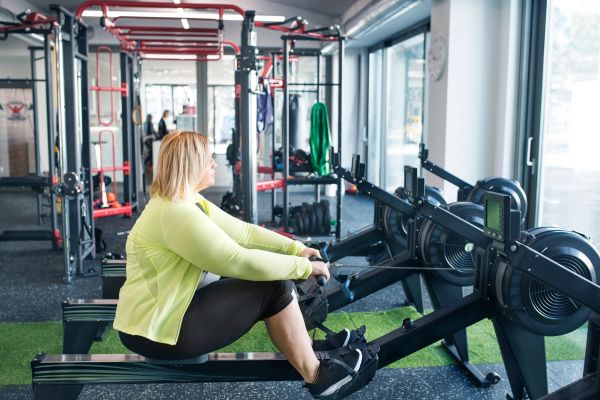
Many beginners assume fat loss means doing endless cardio. Walking, cycling, jogging, and dance workouts can absolutely help, but cardio is only one part of the picture. Strength training matters too, especially because muscle tissue supports a healthier metabolism and gives the body shape as weight changes.
A balanced beginner routine usually includes three main parts: gentle cardio, basic strength exercises, and enough recovery to keep you coming back. When these pieces work together, fat loss becomes less about chasing exhaustion and more about building a body that uses energy well.
Walking Is a Strong First Step
Walking may seem too simple, but that is exactly why it works. It is easy to start, easy to adjust, and gentle enough for most beginners. A daily walk can improve stamina, support calorie burning, reduce stress, and help the body get used to regular movement.
A good starting point is twenty to thirty minutes at a comfortable pace. If that feels too much, ten minutes after meals is still useful. Over time, you can increase the pace, add a slight incline, or extend the duration. The important thing is not to turn walking into a test. Let it become part of your normal day.
Strength Training for Beginners
Strength training can sound intimidating, but it does not have to involve heavy weights or complicated gym machines. Bodyweight exercises are enough in the beginning. Squats, wall push-ups, glute bridges, step-ups, and modified planks can build strength without requiring much equipment.
A beginner might train strength two or three times per week, leaving a rest day between sessions. The focus should be on good form and controlled movement. You should feel challenged, but not crushed. If your muscles are working and your breathing is slightly heavier, you are probably doing enough.
A Simple Weekly Routine That Works
A practical beginner week could include walking on most days and strength training two or three times. For example, Monday might be a full-body strength session, Tuesday a brisk walk, Wednesday rest or light stretching, Thursday another strength session, Friday a walk, Saturday a longer relaxed walk, and Sunday rest.
This kind of routine is not flashy, but it is dependable. It gives your body repeated signals to adapt while still allowing recovery. That balance matters because beginners often quit when they do too much too soon.
Full-Body Moves Give Better Value
For fat loss, full-body exercises are especially helpful because they involve more muscles at once. A squat works the legs and core. A push-up variation trains the chest, shoulders, arms, and trunk. A step-up uses balance, legs, and coordination. These movements feel basic, but they build the foundation for almost everything else.
Beginners should avoid rushing through exercises just to sweat more. Slower, cleaner movement often gives better results than sloppy speed. A controlled squat teaches strength. A rushed squat teaches bad habits.
The Role of Intensity
Intensity matters, but it should grow gradually. In the beginning, your workout should feel like a solid effort, not survival. A helpful guide is the talk test. During moderate cardio, you should be able to speak in short sentences, though singing would feel difficult.
As fitness improves, you can add short bursts of higher effort. For example, during a walk, you might walk faster for thirty seconds, then return to your normal pace for two minutes. These small intervals can make workouts more effective without overwhelming the body.
Recovery Is Part of the Routine
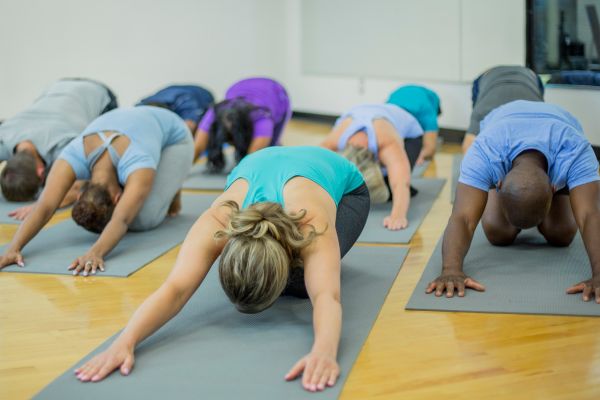
Rest days are not lazy days. They are when the body repairs, adapts, and gets stronger. Beginners sometimes feel guilty when they are not exercising, but recovery is part of training. Without it, soreness builds, energy drops, and motivation fades.
Sleep also plays a quiet but powerful role in fat loss. Poor sleep can affect hunger, cravings, energy, and workout performance. A good routine should support your life, not make you feel constantly drained.
Food Still Matters
Exercise helps fat loss, but it cannot do the whole job alone. Nutrition does not need to be perfect, but it should be steady. Protein at meals, plenty of water, vegetables, whole foods, and reasonable portions make workouts more effective.
This does not mean cutting out every favorite food. That approach usually backfires. A better mindset is to make your usual meals a little more supportive. Add protein. Reduce sugary drinks. Eat slower. Notice when you are full. Small changes, repeated often, can become surprisingly powerful.
Avoiding Common Beginner Mistakes
One common mistake is changing everything at once. A beginner starts daily workouts, strict dieting, early wake-ups, and no treats, all in the same week. It feels exciting for a few days, then exhausting. Fat loss rewards patience more than drama.
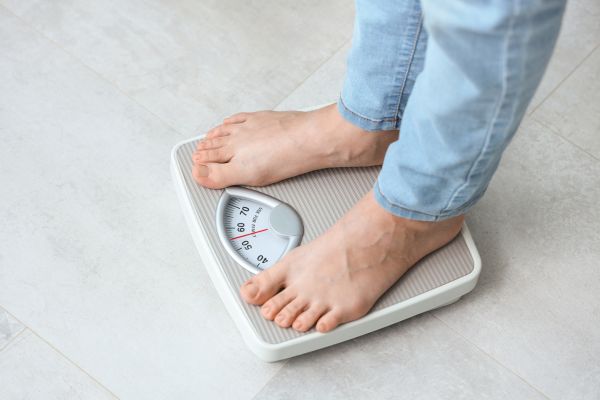
Another mistake is judging progress only by the scale. Weight can move slowly, especially when you begin strength training. Clothes may fit differently. Energy may improve. Stamina may increase. These signs matter too.
It is also important not to compare your routine with someone who has trained for years. Your workout should fit your current body, not someone else’s highlight reel.
Making the Routine Easier to Repeat
The best workout is the one you can return to. Choose a time of day that feels realistic. Keep workout clothes ready. Start with shorter sessions if long ones feel difficult. Pair exercise with something familiar, like walking after lunch or stretching before a shower.
Motivation comes and goes, so the routine should not depend on feeling inspired every day. Make the beginning almost too easy. Once you start moving, it often becomes easier to continue.
When to Make Workouts Harder
A routine should change when it starts feeling too easy. That might mean adding a few more repetitions, walking longer, increasing pace, trying light dumbbells, or adding another strength session. Progress should feel like a gentle climb, not a sudden jump.
For beginners, small increases are enough. If you did ten squats last week, try twelve. If you walked twenty minutes, try twenty-five. These changes may seem modest, but over months they create real transformation.
Conclusion
Beginner workout routines for fat loss work best when they are simple, balanced, and kind enough to repeat. Walking builds consistency. Strength training protects muscle and improves shape. Recovery keeps the body fresh. Food habits support the effort quietly in the background.
There is no need to chase the hardest plan in the room. Fat loss begins with ordinary actions done regularly: moving more, getting stronger, resting well, and paying attention to how your body responds. Start where you are, build slowly, and let consistency do its patient work.