Why Pilates Has Become Part of the Weight Loss Conversation
Pilates has a quiet way of surprising people. At first glance, it does not always look as intense as running, cycling, or lifting heavy weights. The movements are controlled, the pace is steady, and much of the work happens close to the mat. But anyone who has held a slow plank, moved through a hundred pulses, or tried to keep their legs hovering just above the floor knows the truth. Pilates can be deeply challenging.
That is one reason Pilates for weight loss has become such a popular topic. People are no longer looking only for workouts that leave them exhausted. Many want exercise that strengthens the body, improves posture, supports flexibility, and still helps with fat loss over time. Pilates fits nicely into that space. It may not always burn calories in the most dramatic way, but it builds the kind of body awareness and muscular strength that can make weight loss feel more sustainable.
The real appeal is that Pilates does not demand punishment. It asks for attention. It teaches you to move better, breathe better, and use muscles you may not even realize you have been ignoring.
How Pilates Supports Weight Loss
Weight loss usually comes down to a combination of movement, food choices, consistency, sleep, stress, and daily habits. Pilates is not a magic shortcut, and it should not be treated like one. Still, it can play a meaningful role in a healthy weight loss routine.
Pilates strengthens the core, glutes, legs, back, shoulders, and deep stabilizing muscles. These muscles help support everyday movement, which means your body often becomes more efficient and active outside workout time too. When your posture improves and your joints feel better, walking more, standing longer, climbing stairs, and staying generally active can feel easier.
Another important part is muscle tone. Pilates uses body weight, resistance, slow control, and repetition to challenge the muscles. Over time, this can help create a firmer, more sculpted look. That change may not always show immediately on the scale, because muscle and fat behave differently in the body. But clothes may fit better, your waist may feel tighter, and your overall shape may begin to change.
Pilates also helps people reconnect with their bodies. That sounds simple, but it matters. When you become more aware of how your body feels, you may also become more mindful about how you eat, how you sit, how you handle stress, and how often you move during the day.
The Difference Between Mat Pilates and Reformer Pilates
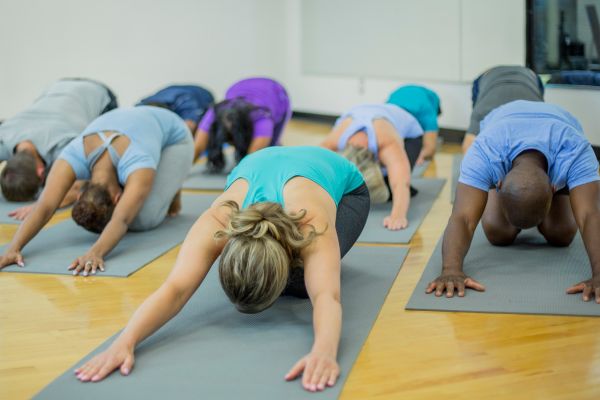
There are different ways to practice Pilates, and both mat Pilates and reformer Pilates can support weight loss. Mat Pilates is usually more accessible because it requires little equipment. A comfortable mat, some space, and your own body weight are enough to begin. The exercises often look simple, but when done correctly, they can be surprisingly intense.
Reformer Pilates uses a machine with springs, straps, and a moving carriage. It adds resistance and support at the same time, which makes it useful for both beginners and advanced students. The reformer can help deepen certain movements and challenge the body in ways that are harder to recreate on a mat.
For weight loss, one is not automatically better than the other. The best choice is the one you can practice consistently. A person who does mat Pilates four times a week may see better progress than someone who attends one reformer class every few weeks. Consistency will always matter more than the fanciness of the equipment.
Why Slow Movement Can Still Be Effective
Many people connect weight loss with fast movement, heavy sweating, and a pounding heart. Those workouts can absolutely be useful, but slow exercise has its own power. Pilates uses controlled movement to keep the muscles under tension for longer periods. That slow burn is not accidental. It forces the body to stabilize, balance, and work with precision.
When you move slowly, you cannot rely on momentum. You have to control the lift, the hold, and the release. This makes each repetition more purposeful. A basic leg circle, for example, can become a serious core exercise when done with proper alignment and breath.
This is where Pilates becomes different from simply “stretching” or “light exercise.” It is not about moving casually. It is about moving with control. That control builds strength, and strength supports long-term fat loss by helping the body become more active and resilient.
Building a Pilates Routine That Helps With Fat Loss
A good routine for Pilates for weight loss does not need to be complicated. In fact, starting too aggressively can make it harder to stay consistent. A realistic approach might include three to five Pilates sessions per week, depending on your fitness level and schedule.
Short sessions can still be useful. A focused twenty-minute Pilates workout done regularly is better than a long workout you keep avoiding. Beginners can start with foundational moves such as pelvic curls, toe taps, modified planks, bridges, side leg lifts, and gentle roll-ups. These exercises teach control and build the strength needed for more advanced movements.
As your body adapts, you can increase the challenge by adding longer holds, more repetitions, resistance bands, light weights, or faster transitions. The goal is not to rush. The goal is to keep progressing. Your body needs enough challenge to change, but not so much that you feel drained or discouraged.
Pairing Pilates With Cardio and Daily Movement
Pilates can be very effective, but for weight loss, it often works best when combined with other forms of movement. Walking is one of the easiest additions. It is gentle, accessible, and surprisingly powerful when done consistently. A daily walk paired with Pilates can support calorie burn without putting too much stress on the body.
Some people also enjoy swimming, cycling, dancing, or light jogging. The type of cardio matters less than whether you can keep doing it. Pilates builds strength and alignment, while cardio helps increase overall energy expenditure. Together, they create a balanced routine that feels less one-dimensional.
Daily movement also counts. Cleaning the house, taking stairs, stretching during breaks, standing more often, and walking after meals can all contribute. Weight loss is not only about the workout window. It is also about how you live through the rest of the day.
The Role of Food Without Turning It Into an Obsession
Exercise helps, but food choices still play a major role in weight loss. Pilates can strengthen and shape the body, but it cannot fully balance out overeating every day. That does not mean you need extreme dieting. Actually, harsh diets often backfire because they are difficult to maintain.
A better approach is to focus on meals that keep you full and energized. Protein, fiber, healthy fats, and enough water can make a noticeable difference. Simple meals with eggs, yogurt, lentils, chicken, fish, vegetables, beans, fruit, and whole grains can support your Pilates routine without making food feel like a punishment.
The nice thing about Pilates is that it often encourages a calmer relationship with the body. Instead of chasing quick fixes, many people begin to notice what helps them feel lighter, stronger, and more comfortable. That awareness can naturally influence eating habits in a positive way.
Common Mistakes That Slow Progress
One common mistake is expecting Pilates alone to create rapid weight loss. It can help, but results usually come gradually. Another mistake is doing the movements without proper form. Pilates depends on alignment, breath, and control. If you rush through exercises, you may miss much of the benefit.
Some people also stay at the same level for too long. Once a workout becomes too easy, the body has less reason to adapt. Progress may require stronger variations, added resistance, or longer sessions.
On the other hand, doing too much too soon can also be a problem. If every session leaves you sore and tired, consistency may suffer. A good Pilates routine should challenge you, but it should also leave you feeling more connected to your body, not completely defeated.
What Results Can You Expect From Pilates
Results vary from person to person, but many people notice better posture, improved core strength, tighter muscles, and more flexibility within a few weeks of consistent practice. Weight loss may take longer, especially if food habits and overall activity levels are not aligned with the goal.
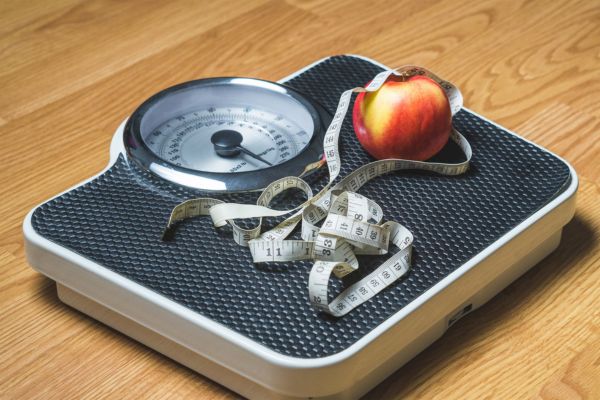
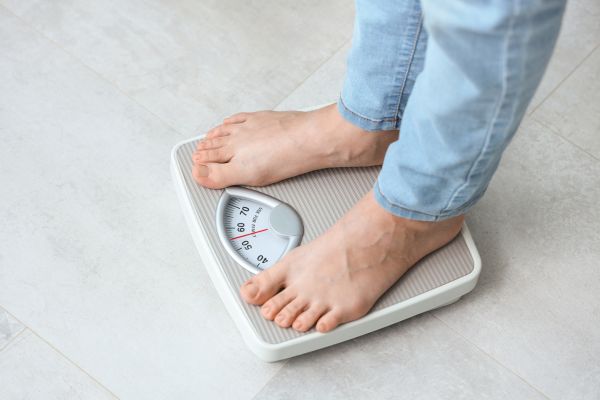
The scale is only one measure. Pilates can change the way your body looks and feels even before major weight loss happens. Your stomach may feel more supported. Your back may ache less. Your movements may feel smoother. You may stand taller without even thinking about it.
These changes matter because they often keep people motivated. When exercise makes daily life feel better, it becomes easier to continue.
Conclusion
Pilates for weight loss works best when it is understood as part of a bigger picture. It is not a quick trick or a dramatic calorie-burning shortcut. It is a thoughtful, strength-building practice that can support fat loss, improve posture, shape muscles, and make the body feel more capable.
The beauty of Pilates is that it meets you where you are. You can begin gently, grow stronger over time, and keep adjusting the challenge as your body changes. When paired with regular movement, balanced eating, and patience, Pilates can become more than just a workout. It can become a steady, enjoyable way to build a leaner, stronger, and more confident body.