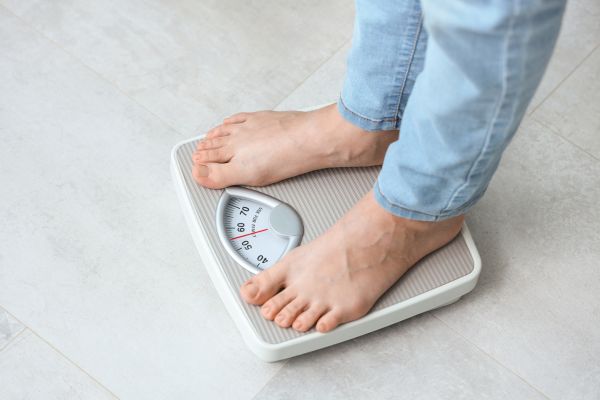
Weight loss becomes a different kind of challenge once the beginner phase is over. At first, almost any consistent movement can make a visible difference. Walking more, lifting a little, cutting back on long sitting hours, and adding a few home workouts often create quick progress. But after a while, the body adapts. The same routine that once felt tough begins to feel familiar, and the scale may slow down even when effort is still there.
That is where advanced workout plans for weight loss become useful. Advanced does not always mean extreme, painful, or complicated. It means training with more structure, better intensity, smarter recovery, and a clearer purpose behind each session. The goal is not just to burn calories during exercise, but to build a body that uses energy more efficiently throughout the day.
Why Advanced Training Works Differently
Basic workouts often focus on getting active. Advanced training focuses on creating a stronger metabolic response. This usually means combining resistance training, interval cardio, conditioning work, mobility, and recovery in a balanced way.
The biggest mistake many people make is thinking that more sweat automatically means better fat loss. Sweat can show effort, but it does not tell the whole story. A well-designed workout plan should challenge muscles, raise the heart rate, improve endurance, and still leave enough room for the body to repair. When training is too random or too intense every day, fatigue builds faster than results.
Advanced weight loss training works best when there is a rhythm. Hard days have a reason. Easier days support recovery. Strength sessions protect lean muscle. Cardio improves calorie output and heart health. Mobility helps the body move better so workouts stay productive instead of turning into a collection of aches.
Strength Training as the Foundation
For serious fat loss, strength training deserves a central place. Cardio burns calories during the session, but muscle helps shape the body and supports long-term metabolism. When calories are reduced for weight loss, the body can lose both fat and muscle. Lifting weights helps protect that muscle, which is important for looking leaner, feeling stronger, and avoiding the soft, drained feeling that sometimes comes with aggressive dieting.
An advanced plan should include compound exercises such as squats, deadlifts, lunges, presses, rows, hip thrusts, and pull variations. These movements involve several muscle groups at once, making them efficient and demanding. They also create a stronger training effect than small isolation exercises alone.
A good approach is to train strength three to four times per week. Lower-body and upper-body sessions can be separated, or full-body sessions can be used depending on schedule and recovery. The key is progressive overload, which means gradually increasing weight, repetitions, sets, or control over time. Progress does not need to happen every workout, but the plan should move forward over weeks.
High-Intensity Intervals Without Overdoing It
High-intensity interval training, often called HIIT, is popular for weight loss because it is time-efficient and physically demanding. Short bursts of hard effort followed by recovery periods can improve conditioning and increase calorie burn in a compact session. But HIIT is also easy to misuse.
Doing intense intervals every day can quickly lead to burnout, sore joints, poor sleep, and weaker strength workouts. For most people following advanced workout plans for weight loss, two HIIT sessions per week are enough. These sessions can be done on a bike, rower, treadmill, stair climber, or with bodyweight movements.
A typical interval session might include repeated rounds of hard effort followed by slower recovery. The hard portion should feel challenging, but form should stay clean. If technique falls apart, the workout has crossed from effective into messy. Advanced training is not about surviving chaos. It is about applying pressure with control.
Steady-State Cardio Still Has a Place
In the rush toward intense training, steady cardio often gets ignored. That is a shame, because moderate cardio can be incredibly useful for fat loss. Walking uphill, cycling, swimming, jogging, or using an elliptical at a steady pace can increase weekly calorie burn without crushing recovery.
Steady-state cardio is especially helpful on days between lifting or interval sessions. It keeps the body active, supports heart health, and can help manage stress. For many people, long walks are one of the easiest ways to improve weight loss results without feeling like life has become one endless workout.
Advanced plans usually work best when they mix intensity levels. Not every session should feel like a test. Some workouts should build capacity quietly. This is where steady cardio shines. It may not look dramatic, but it adds up.
The Role of Metabolic Conditioning
Metabolic conditioning sits somewhere between strength training and cardio. It uses challenging exercises performed in a way that keeps the heart rate elevated while still demanding muscular effort. This might include kettlebell swings, sled pushes, battle ropes, medicine ball slams, farmer carries, step-ups, and bodyweight circuits.
The benefit of this style is density. You can get a lot of work done in a shorter period. It also teaches the body to perform under fatigue, which can be useful for both fitness and fat loss. However, exercise selection matters. Complex lifts done at high speed while tired can increase injury risk. A clean, simple movement done hard is usually better than a flashy one done badly.
Metabolic conditioning can be added once or twice a week, often after a shorter strength session or as its own workout. It should feel athletic and demanding, not reckless.
Recovery Is Part of the Plan
Advanced exercisers sometimes struggle with rest because they associate it with losing momentum. In reality, recovery is where the body adapts. Muscles repair, hormones settle, joints calm down, and energy returns. Without recovery, performance drops, hunger rises, motivation fades, and workouts become less effective.
Sleep is one of the most important pieces. A person training hard while sleeping poorly is working against their own body. Stretching, mobility work, light walking, hydration, and well-timed rest days can also make a noticeable difference.
A strong plan usually includes at least one full rest day each week, sometimes two depending on training intensity and lifestyle stress. Rest days are not wasted days. They are what allow the next hard session to actually be hard.
Training Splits That Support Fat Loss
An advanced weekly structure should be realistic enough to follow. A plan that looks perfect on paper but does not fit daily life will collapse quickly. For many people, five training days per week is a strong target. It allows enough frequency for progress while still leaving space for recovery.
A balanced week might include three strength-focused sessions, two cardio or conditioning sessions, and regular low-intensity movement like walking. Another effective structure is four days of lifting with two short cardio sessions added after upper-body days. The exact split matters less than consistency, progression, and recovery.
The body responds well to repeated signals. If workouts keep changing every few days, it becomes harder to measure improvement. Advanced does not mean random variety. It means having enough repetition to progress and enough variation to prevent stagnation.
Nutrition Must Match the Training
Even the best workout plan cannot fully overcome poor nutrition. Weight loss depends on a calorie deficit, but advanced training needs enough fuel to perform. Cutting calories too aggressively can make workouts feel flat and increase the chance of muscle loss.
Protein is especially important because it supports muscle repair and keeps meals more satisfying. Carbohydrates also matter, particularly around harder workouts. Many people fear carbs during weight loss, but training quality often improves when the body has enough usable energy. Healthy fats support hormones and overall health, though portions still matter because fats are calorie-dense.
The best nutrition approach is not dramatic. It is steady. Enough protein, mostly whole foods, controlled portions, plenty of water, and a calorie intake that creates progress without making life miserable.
Tracking Progress Beyond the Scale
The scale is useful, but it can be misleading. Advanced training can increase muscle fullness, improve strength, and cause temporary water retention, especially after tough workouts. This may hide fat loss for a short time.
Progress should also be measured through waist size, photos, workout performance, energy levels, clothing fit, and resting heart rate. If strength is improving, measurements are moving, and clothes fit better, the plan is working even if the scale is slow.
Fat loss is rarely perfectly linear. Some weeks show obvious change. Others feel quiet. The people who succeed are usually the ones who keep going through the quiet weeks without panic.
Avoiding the Advanced Workout Trap
There is a point where ambition can turn into impatience. Adding more workouts, more cardio, more restrictions, and more intensity may seem logical, but it often backfires. The body has limits. When those limits are ignored, cravings rise, soreness lingers, and performance starts to sink.
A better advanced plan is challenging but repeatable. You should finish most workouts feeling worked, not destroyed. You should be able to train consistently for months, not just survive one heroic week. Sustainable intensity beats short bursts of punishment every time.
Conclusion
Advanced workout plans for weight loss are most effective when they combine structure with patience. The real progress comes from lifting with purpose, using cardio intelligently, adding intervals in the right amount, and giving recovery the respect it deserves. It is not about chasing exhaustion or copying the hardest routine online. It is about training in a way that makes the body stronger, leaner, and more capable over time.
Weight loss at an advanced level asks for honesty. You have to look at effort, food, sleep, stress, and consistency together. When those pieces begin to support each other, results feel less like a fight and more like a steady process. The work is still hard, of course. But it becomes smarter, and that is where lasting change usually begins.